

The term “macros” is commonly mentioned when discussing topics like healthy eating and weight loss. It refers to macronutrients, which are essential nutrients that the body requires in larger quantities for proper functioning. The prefix “macro” signifies their significance in larger proportions. These macronutrients provide energy to the body in the form of calories or kcals. There are three primary types of macronutrients: carbohydrates, proteins, and fats.
- Carbohydrates provide 4 kcal per gram.
- Proteins provide 4 kcal per gram.
- Fats provide 9 kcal per gram, approximately twice the energy the other two macronutrients provide.
Besides their energy content, each macronutrient has specific roles in the body that contribute to its optimal functioning.
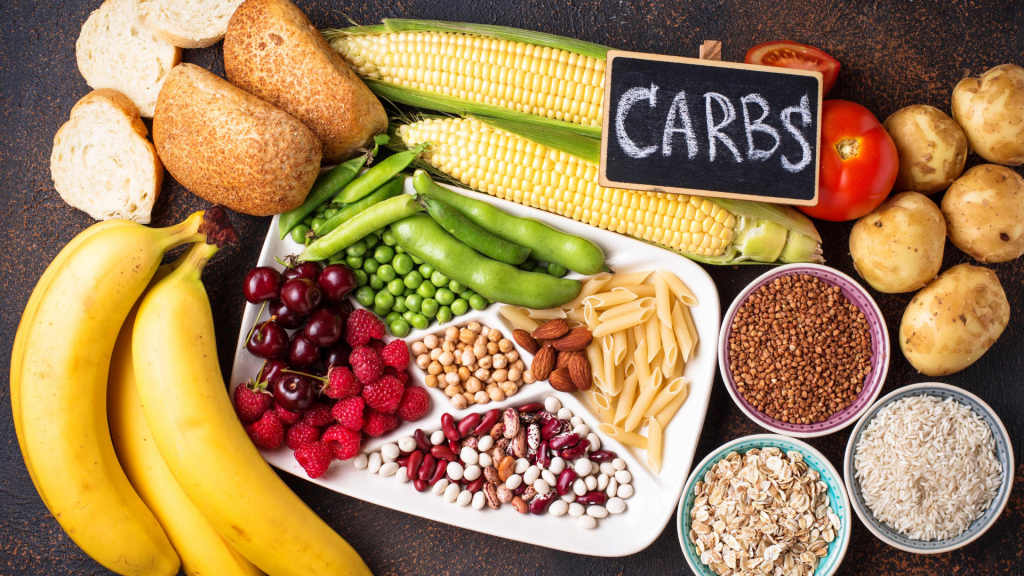
Carbohydrates: The Energy Source and More
Carbohydrates serve as the primary energy source for your body, as they are broken down into glucose. Glucose is vital for proper organ function, including the brain. In situations of necessity, your body can convert proteins into glucose through a process called gluconeogenesis. However, carbohydrates have additional roles beyond energy production.
Certain carbohydrates contribute to the synthesis of amino acids, the building blocks of proteins, and support regular bowel movements. Fiber, a type of carbohydrate that cannot be broken down by the digestive system, aids in waste elimination and promotes a healthy intestinal tract. While carbohydrates vary in their composition, they can be classified as simple or complex.
- Simple carbohydrates consist of 1-2 sugar molecules quickly broken down into glucose for energy. They are commonly found in sweet items like honey, table sugar, syrup, agave nectar, molasses, milk/yogurt, and fruit. Despite containing fructose (a natural sugar), fruit also provides essential vitamins, minerals, phytochemicals (with potential health benefits), and fiber. Fiber, being indigestible, prolongs the digestion process.
- Complex carbohydrates take longer to break down as they contain long strands of sugar molecules. They often taste savory and are present in foods such as starches, grains (e.g., rice, pasta, bread), and starchy vegetables (e.g., potatoes, peas, corn). Plant-based foods like non-starchy vegetables, beans, nuts, and seeds also contain carbohydrates, albeit in smaller amounts. Unless processed, complex carbs typically contain fiber, where the bran (outer coating) of grains is removed, resulting in refined products like white bread, white pasta, and white rice. These refined carbs are easier to digest and, like simple carbohydrates, can quickly release glucose into the bloodstream.
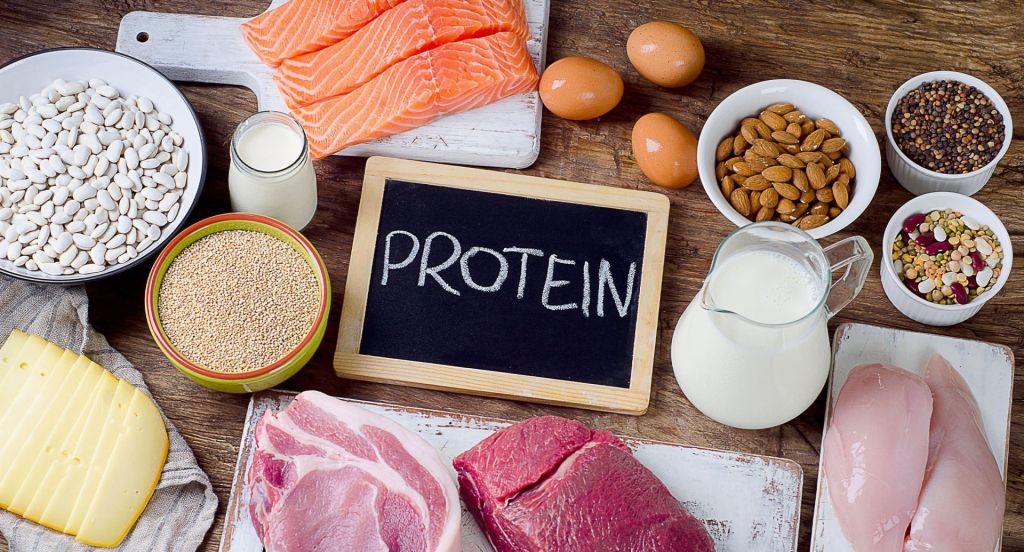
Protein: Building, Repairing, and Preserving
Protein plays a vital role in supporting growth, tissue building, and repair, as well as preserving lean body mass, which includes muscle mass. Comprised of amino acids, proteins are essentially constructed from these building blocks. There are two types of amino acids: non-essential and essential. Non-essential amino acids are not required to be obtained from the diet since the body can synthesize them internally. On the other hand, essential amino acids must be obtained through the diet, as the body relies on external sources. Essential amino acids can either be utilized directly or, in certain cases, converted into non-essential amino acids.
Protein-rich foods encompass a range of options such as meat, poultry, fish, eggs, milk, cheese, and other animal by-products. These sources provide all the essential amino acids necessary for optimal health. However, it’s important to note that consuming animal-based foods is not a requirement for a healthy diet. Adequate amino acids can be obtained by incorporating a variety of plant-based protein sources into your meals, including beans, lentils, nuts, seeds, soy, and to a lesser extent, grains, vegetables, and fruits.
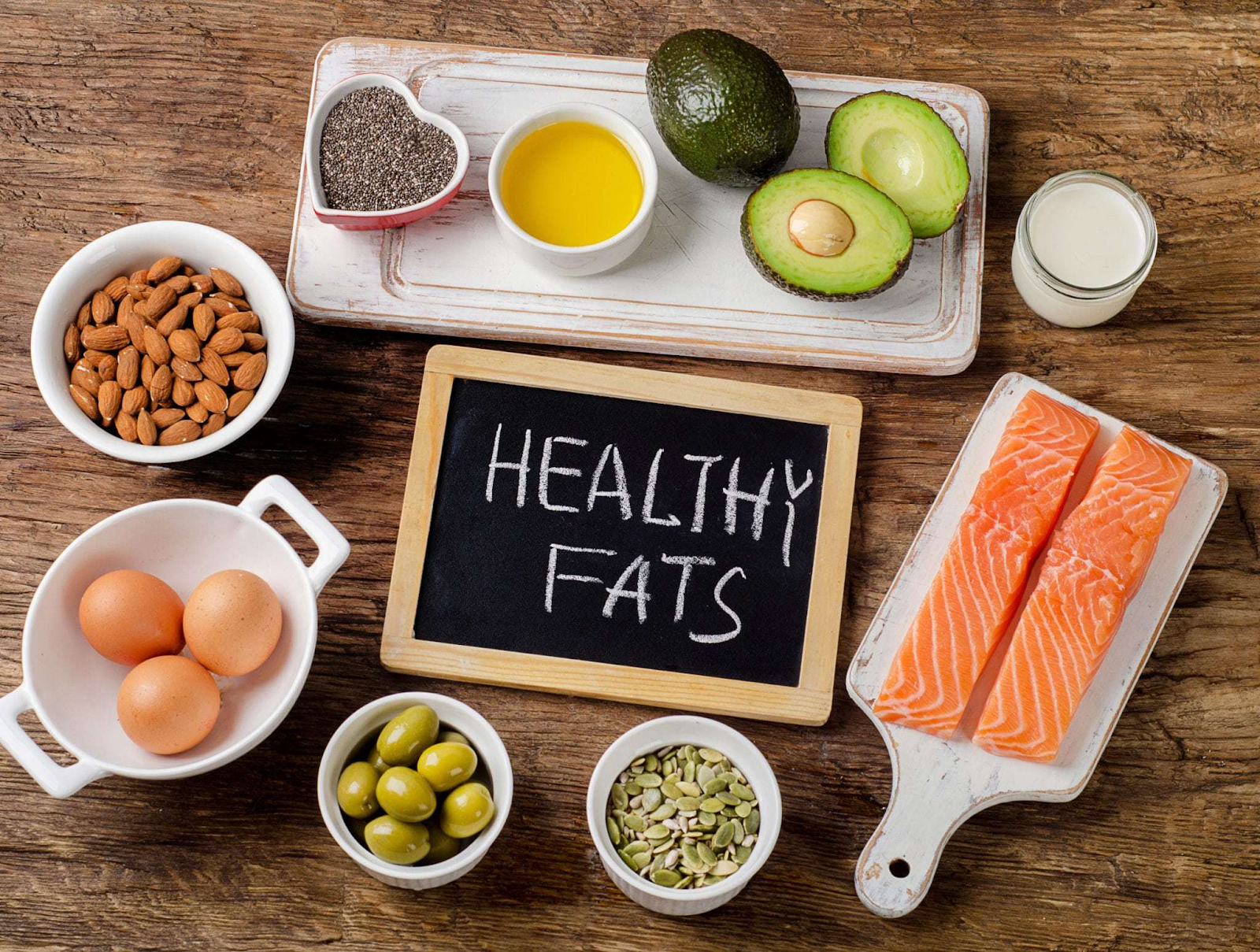
Fats: Energy Storage, Organ Protection, and Hormone Synthesis
Fat serves multiple essential functions in the body, including energy storage, organ cushioning, hormone production, and aiding in the absorption of fat-soluble vitamins. There are three primary types of fat: trans fat, saturated fat, and unsaturated fat.
- Trans fat should be eliminated from the diet as much as possible. Trans fat is primarily created through hydrogenation, which involves adding hydrogen molecules to unsaturated fats. Familiar sources of trans fat include margarine, shortening, baked goods, doughs, and fried foods. It is essential to avoid products that list trans fat on their labels.
- Saturated fat lacks double bonds, making the molecule fully saturated with hydrogen. Consuming excessive amounts of saturated fat can raise cholesterol levels and increase the risk of heart disease. It is beneficial to reduce the intake of saturated fat. Sources of saturated fat are mainly found in high-fat animal products such as fatty beef, lamb, pork, poultry with skin, lard, cream, butter, full-fat cheese, and dairy. The American Heart Association recommends that only 5-6% of daily calories come from saturated fat. For instance, if your daily calorie requirement is 2,000 calories, only 120 calories should be derived from saturated fat, equating to approximately 13 grams daily. It is recommended to decrease saturated fat consumption and focus on healthier, unsaturated fats.
- Unsaturated fat contains one or more double bonds, causing bends in the molecule. These fats are usually liquid at room temperature due to their difficulty stacking. The naming of unsaturated fats depends on the number of double bonds present. Monounsaturated fats have one double bond, while polyunsaturated fats have multiple or numerous double bonds. Unsaturated fats are considered healthy as they can lower the risk of heart disease. They are primarily derived from plant sources such as avocados, nuts, nut butters, seeds, olives, and oils (e.g., olive, canola, safflower). Some animal sources of unsaturated fats include fatty fish like salmon, mackerel, sardines, tuna, and herring.
While fat is often associated with negative connotations due to its high-calorie content and certain unhealthy types, understanding the different types of fat and managing their consumption is crucial for overall well-being.
Determining Macronutrient Split: Following USDA Guidelines
The suggested proportions of macronutrients are commonly referred to as the macronutrient split. To establish a balanced starting point, it is advisable to consider the recommendations provided by the United States Department of Agriculture (USDA):
- Carbohydrates: 45-65% of total caloric intake
- Protein: 10-35% of total caloric intake
- Fat: 20-35% of total caloric intake
These ranges outline the recommended distribution of macronutrients in your diet. However, it’s important to note that individual needs and goals may vary. Consulting with a healthcare professional or registered dietitian can help you determine the most suitable macronutrient split based on your specific circumstances.
C. de Preciados, 374 37201, Madrid, España
If you have any questions, let us know.
Designed with WordPress.com
 gainsfitnesscoaching.com
One response to “The Basics of Macronutrients: A Beginner’s Guide to Understanding Macros”
I love this!
LikeLike